.png)
Public Employers Face Rising Costs for Weight-Loss Medications and Its Impact on Services
Public employers across the U.S. are grappling with a new financial challenge. The cost of covering weight-loss drugs like Ozempic, Wegovy, and Mounjaro for their employees is soaring. This surge is forcing towns, counties, and school districts to rethink their budgets and sometimes cut back on essential services. The Wall Street Journal recently highlighted this growing issue, showing how these medications are reshaping public health spending.
The Rising Cost of Weight-Loss Drugs for Public Employers
Cities and counties are seeing their health funds stretched thin by the price of these new medications. Take Hoboken, New Jersey, for example. The city expects to spend $6.5 million on these drugs in 2024. That’s 15% of its entire public-employee health fund. This huge expense means Hoboken has to delay payments for fire engines and cut back on flood-resilience projects.
Suffolk County in New York faces an even bigger bill. They anticipate spending $26 million on weight-loss drugs next year. This is a sharp increase from previous years and has led officials to consider dropping coverage for these medications altogether. The financial strain is real and immediate.
How These Costs Affect Essential Public Services
When public employers spend more on health coverage, they often have to take money from other important areas. Infrastructure repair, public safety, and emergency services are some of the first to feel the pinch. For example, Hoboken’s flood-resilience projects are on hold because of the rising drug costs. Suffolk County is thinking about cutting coverage for teachers, police officers, and other public employees to save money.
These cuts can have a ripple effect. Delayed infrastructure repairs can lead to bigger problems down the road. Reduced funding for public safety can affect community well-being. It’s a tough balancing act for local governments trying to support their workers while maintaining essential services.
The Debate Over Coverage Cuts and Union Opposition
Labor unions are pushing back against plans to cut coverage for weight-loss medications. The Boston Teachers Union, for instance, argues that employees need access to these treatments. They believe that affordable access could reduce long-term healthcare costs by preventing obesity-related diseases like diabetes and heart disease.
Boston recently reached an agreement to limit who can get coverage for these drugs. The rules require a body-mass index (BMI) of 30 or higher, or a BMI of 27 with at least one obesity-related health issue. The drug must also be FDA-approved specifically for weight management. This approach tries to balance cost control with employee health needs.
Meanwhile, Lee County in Florida has taken a different route. The school board there decided to stop covering these medications entirely. This shows how varied the responses are across the country.
Understanding the Weight-Loss Medications Driving Costs
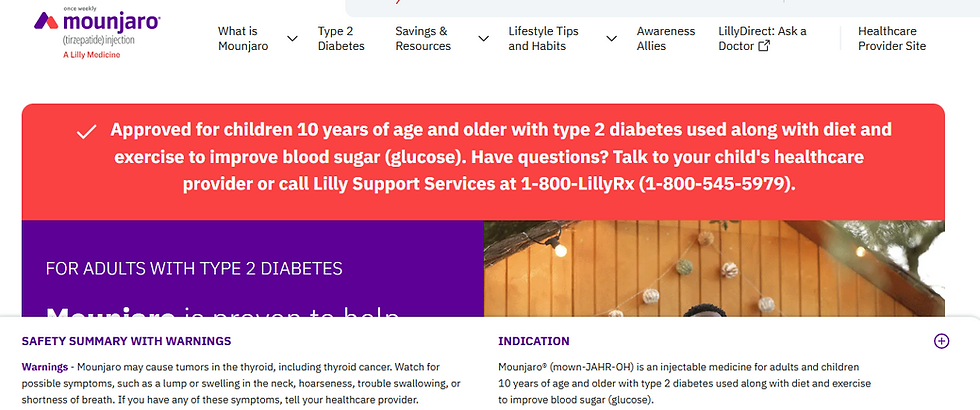
The drugs causing these budget pressures are relatively new and highly effective. Ozempic and Wegovy are both versions of semaglutide, a medication that helps control blood sugar and reduce appetite. Mounjaro, another popular option, works similarly but targets different receptors in the body.
These medications have gained attention for their ability to help people lose significant weight. That’s why many public employees want coverage for them. But the high price tags make it hard for public employers to keep up.
How Public Employers Can Manage These Costs
Some municipalities are exploring ways to manage the rising costs without cutting coverage completely. Setting clear eligibility rules, like Boston’s BMI requirements, is one method. This limits coverage to those who most need the medication.
Another approach is negotiating better prices with drug manufacturers or pharmacy benefit managers. Public employers can also promote wellness programs that focus on diet, exercise, and lifestyle changes to reduce the need for expensive medications.
The Role of Wellness Platforms in Supporting Public Employees
In this challenging environment, wellness platforms that offer personalized self-care solutions can play a helpful role. For example, Aromedy provides curated subscription boxes and health content designed to help people integrate balance and beauty into their daily lives. These kinds of services can support employees in managing their health proactively, potentially reducing reliance on costly medications.
By encouraging healthier habits and providing easy access to wellness tools, platforms like Aromedy can complement medical treatments. This holistic approach may help public employers control healthcare costs while supporting employee well-being.
What This Means for Public Employees and Communities
The rising cost of weight-loss drugs is a complex issue. Public employees want access to effective treatments that can improve their health. At the same time, local governments must manage limited budgets and maintain essential services.
This tension means tough decisions are ahead. Some employees may lose coverage for these medications, while others might face stricter eligibility rules. Communities could see delays in infrastructure projects or cuts in public safety funding.
It’s a reminder that health care costs don’t just affect individuals—they ripple through entire communities.
Looking Ahead: Balancing Health and Budgets
Public employers will need to find creative solutions to balance health benefits with financial realities. This might include:
Clear guidelines on who qualifies for coverage
Negotiating drug prices
Investing in wellness programs and platforms
Collaborating with unions to find fair compromises
The goal is to support employee health without sacrificing critical public services. It’s a challenge, but one that requires thoughtful planning and open dialogue.
The rising costs of weight-loss medications like Ozempic, Wegovy, and Mounjaro are reshaping public health spending across the U.S. Towns and counties face tough choices as they balance budgets and employee needs. By exploring new strategies and embracing wellness solutions, public employers can work toward a healthier future for their workers and communities.
If you’re interested in exploring personalized wellness options that support your health journey, consider checking out Aromedy’s curated wellness subscription boxes. They offer a simple way to bring balance and self-care into your daily routine.


It's wild how a single class of medications can ripple through municipal budgets and end up affecting services people actually rely on. The math is brutal when you're a small town trying to cover costs that keep climbing. I've seen similar budget strain in local government, and it always comes down to tough trade-offs. Tools that help document and communicate these decisions clearly, like an image OCR tool for pulling text out of reports and screenshots, can at least save some time when you're scrambling to justify cuts. image OCR tool
This is a really eye-opening article. It's concerning to see how the rising costs of weight-loss medications are affecting public employers and potentially leading to cuts in essential services. I wonder how long it will take for solutions to be found. In a related vein, for those dealing with content creation where video clips might need to be extended, Video Extend offers a seamless way to do so with AI, no software required.
It’s a tough spot for public employers, especially when budget cuts start hitting essential services just to keep up with GLP-1 coverage. I’ve been looking into how districts are balancing this, and the cost-sharing models are worth a closer look—check out https://motion-control-ai.org
The fact that Hoboken has to delay payments for fire engines just to cover these drugs feels like a terrible trade-off no town should have to make. It makes you wonder if there are any smarter ways to manage that $6.5 million without gutting public safety. — Iron Nest VR plans
The budget strain on school districts is real—my own county just paused a planned bus route expansion to cover GLP-1 costs, and it’s hard to see how that trade-off holds up long-term. I’ve been tracking the latest pricing data on https://flux3.site